
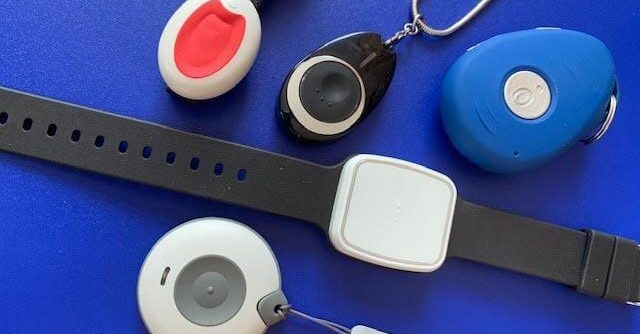
Keeping seniors safe often depends on GPS trackers that show their location whenever needed. These devices let family and caregivers check on loved ones and feel more at ease. Yet, many overlook a crucial detail—the battery life. Some trackers lose power quickly, leaving you stranded at the worst time. Choosing a tracker with long-lasting battery saves stress and avoids surprises. This is super important when safety is on the line and every second matters. Finding out which device holds up the longest can bring serious peace of mind. Dive in to learn which GPS trackers truly stick around when it counts.
Why Battery Life Matters
The battery life of a GPS device is a key consideration, especially for seniors who may use these devices for extended periods. A longer battery life means less frequent charging, which is crucial for maintaining the device’s functionality at all times. Seniors may forget to charge their devices, leading to a potential safety risk. Therefore, understanding the different battery capacities and lifespans of available GPS trackers is essential for caregivers and family members.
Types of Battery Used in GPS Trackers
GPS trackers for seniors typically use two types of batteries: lithium-ion and alkaline batteries. Lithium-ion batteries are rechargeable and often provide a longer lifespan, while alkaline batteries are disposable. Each type has its advantages and drawbacks. For instance, lithium-ion batteries generally offer better performance over time, but they require access to a power source for recharging. In contrast, alkaline batteries can be easily replaced but may need to be swapped out frequently, creating more maintenance for caregivers.
Comparative Battery Life of Popular Senior GPS Devices
When comparing battery life across different GPS devices, it is useful to look at specific models and their performance. Here are a few popular senior GPS trackers and their battery life:
- Apple AirTag: Lasts up to 1 year with a replaceable battery.
- PhoneTracker Pro: Offers 5-7 days of battery life on a full charge.
- AngelSense GPS: Features a rechargeable battery that lasts 2-3 days.
- Jiobit Smart Tag: Provides up to 10 days of battery life.
As you can see, battery life can significantly vary between devices. Choosing the right one depends on the senior’s lifestyle and how often the device will be used.
Battery Management Features
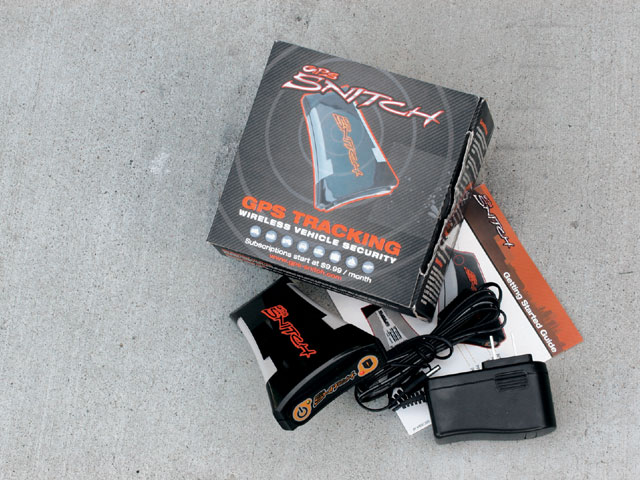
Some GPS devices come equipped with advanced battery management features that help extend battery life. Features such as low-power mode, location request settings, and customizable tracking intervals can make a significant difference. For example, devices that allow users to adjust tracking frequency can conserve battery life by reducing the number of times they transmit their location. Look for models that offer these features if battery life is a major concern for you.
User Experience and Reviews
Reading user reviews can provide insights into the real-world battery performance of GPS devices. Potential buyers should seek out feedback specifically related to battery life, charging ease, and user satisfaction. Some users might report that certain devices drain their batteries faster than advertised, while others may share tips on how to maximize battery life. Checking out reviews on sites dedicated to technology or senior caregiving can be beneficial in making an informed decision.
Value Proposition: Cost vs. Battery Life
While battery life is an essential factor, it’s also important to consider the overall value of the GPS device. A device with a longer battery life may cost more upfront, but if it means less hassle and potentially better safety for your loved one, it could be worth the investment. When comparing options, consider not just the battery life, but also the features that come with the device, including emergency alerts, geofencing capabilities, and ease of use. If you’re unsure where to begin, start your exploration here by evaluating trusted brands and reading user reviews to find the best fit for your needs.
Conclusion
In conclusion, comparing battery life in senior GPS devices is a critical component of selecting the right tool for ensuring safety and security. Understanding the differences in battery types, user experiences, and advanced features can help you make a well-informed choice. Whether you prioritize longer battery life or specific features, considering all factors will lead to better outcomes for you and your loved ones. As technology continues to evolve, so too will the options available, making it essential to stay informed and choose wisely.


